

When evaluating a luxury vehicle's trade-in value, the odometer reading is typically the first number drivers check. Whether your routine involves daily commutes along Wade Hampton Boulevard (US-29 through Greer) to the Inland Port or packing up for weekend outings at Lake Robinson, those miles naturally accumulate. However, a higher number on the dash does not automatically erase the premium worth of your vehicle. The true appraisal process weighs the distance driven against your maintenance history and the physical condition of both the cabin and exterior. At Fred Anderson Cadillac, our transparent approach looks beyond a single metric to understand the complete story of your car. In the following sections, we will break down exactly how mileage influences your trade-in equity and how careful upkeep can help maximize your return when you decide it is time to upgrade.
How Does High Mileage Directly Impact Your Cadillac's Value?
High mileage directly reduces your Cadillac's trade-in value because it indicates more extensive wear on mechanical components, leading to higher dealer reconditioning costs. Every mile driven adds incremental stress to the powertrain, brakes, and suspension. What this means for Upstate drivers is that appraisers must calculate the cost of upcoming factory maintenance to get the vehicle ready for its next owner, and that anticipated expense is deducted from your final offer.
Consider the daily 24-minute commute many residents make to the Greer Inland Port or the frequent stop-and-go traffic along Wade Hampton Boulevard (US-29 through Greer). Those routine trips accumulate quickly over a few years. A Cadillac XT5 with 100,000 miles on the odometer, for instance, is much closer to requiring significant services-such as a spark plug replacement or updates to its Magnetic Ride Control suspension components-than a model sitting at just 30,000 miles. Because a dealership absorbs the cost of these necessary updates before reselling the SUV, the initial trade-in value drops accordingly. You can see exactly how climbing odometer readings shift local market pricing by checking valuation tools from resources like Edmunds, which map out these standard depreciation curves.
What Is Considered a Good Mileage Number for a Trade-In?
A solid mileage figure for a trade-in generally sits at or below the national average of 12,000 to 15,000 miles driven annually. What this means for Greer drivers is that keeping your vehicle within this window-while documenting regular maintenance-directly maximizes your financial equity when it is time to step into a newer luxury model. To put the math into perspective, a three-year-old Cadillac XT5 should ideally show an odometer reading between 36,000 and 45,000 miles.
Consider a typical daily routine in the Upstate. If your commute involves a brief trip from the Sugar Creek neighborhood down South Main Street (SC-14) to the Greer Inland Port, you are likely keeping your mileage well below average. Alternatively, frequently driving between Greenville, Spartanburg, and Simpsonville for business will undoubtedly push those numbers higher.
Here is how luxury appraisers categorize your odometer reading:
- The Low-Mileage Premium: Vehicles averaging under 10,000 miles a year command top-tier trade-in offers. If your sedan is primarily reserved for relaxed weekend getaways to Lake Robinson or dinner dates in the Greer Downtown Historic District, that pristine condition translates to immense desirability on the pre-owned market.
- Standard Average Use: Hitting the 12,000 to 15,000-mile annual mark is perfectly normal. A three-year-old Cadillac CT5 with 42,000 miles is considered an excellent trade-in candidate, provided the cabin finishes and exterior paint reflect appropriate care.
- Handling High Mileage: Driving more than 15,000 miles a year will naturally adjust the appraisal value downward due to accumulated wear. Fortunately, Cadillac vehicles are engineered for enduring performance. Proven powertrains like the robust 2.0L Turbo engine maintain their integrity over the long haul. Providing service records that verify you strictly followed the factory-recommended 7,500-mile full synthetic oil intervals reassures future buyers and helps preserve your car's residual value, even with a higher odometer reading.
Does the Type of Mileage Impact a Vehicle's Value?
Yes, the specific type of mileage your Cadillac has accumulated significantly impacts its appraisal value. Evaluators do not just look at the raw number on the odometer; they assess the physical wear pattern left behind by your driving environment. Highway cruising preserves a car's mechanical integrity by keeping temperatures and rpms stable, while frequent urban commuting accelerates the degradation of moving components. What this means for Greer drivers is that an XT5 with 60,000 highway miles often retains a tighter suspension and healthier drivetrain than a comparable model driven half that distance in heavy stop-and-go traffic.
Consider the difference between a smooth 24-minute commute to the BMW Zentrum or Inland Port versus navigating peak afternoon congestion. Continuous driving at steady speeds along Wade Hampton Boulevard (US-29) allows an engine to reach and hold its optimal operating temperature with minimal shifting. Because a vehicle's 9-speed or 10-speed automatic transmission isn't constantly hunting through lower gears, the internal clutches experience less friction and the transmission fluid stays cleaner for longer intervals. Contrast this with the constant starting and stopping required when inching along South Main Street (SC-14) or navigating around pedestrian crosswalks near Trade Street in the historic Greer Station.
When professionals inspect a luxury vehicle, they look for distinct signs that reveal its driving history. Here is how different driving styles leave their mark:
- Brake friction material: Constant deceleration in town wears down premium brake pads and rotors exponentially faster than highway coasting. A heavily city-driven Escalade might require new pads by 25,000 miles, whereas primarily highway use can often extend that lifespan well beyond 40,000 miles.
- Suspension fatigue: Navigating tight corners, speed bumps, and uneven pavement in dense neighborhoods puts repeated stress on adaptive damping systems, ball joints, and control arm bushings.
- Thermal engine cycles: Frequent, short trips-like quick weekend runs to City Park-often mean the engine never fully warms up. This prevents the system from burning off internal condensation, which can lead to moisture buildup in the exhaust and accelerated engine oil breakdown.
How Does Regular Maintenance Influence a Cadillac's Mileage Value?
Consistent maintenance is the most effective way to offset the depreciation that naturally accompanies high mileage. For Upstate drivers-whether you are making the daily commute to the Greer Inland Port or navigating evening traffic near Trade Street (Greer Station)-a meticulously documented service history proves your vehicle possesses long-term reliability. In short, regular upkeep transforms a high odometer reading from a potential concern into a testament of proven longevity.
Consider this practical comparison: a Cadillac XT5 with 90,000 miles that boasts a complete folder of routine synthetic oil changes, brake fluid flushes (typically recommended every 45,000 miles), and timely tire rotations is almost always a superior vehicle compared to a model with just 60,000 miles and a spotty service background. Following the factory-recommended Cadillac maintenance schedule preserves the mechanical integrity of premium systems, from sophisticated adaptive suspensions to precision-engineered engine components.
If you frequently drive from the Thornblade neighborhood across the Piedmont region, those commuting miles accrue quickly, but saving the receipt for every 7,500-mile service interval directly shields your automotive investment. When evaluating a vehicle for a trade-in, a comprehensive service record drastically lowers anticipated reconditioning costs. That means every documented fluid exchange and inspection translates directly into a stronger financial offer when you decide it is time to upgrade to a newer luxury model.
Core Maintenance Milestones That Protect Your Cadillac's Value
Routine care is the foundation of maximizing your vehicle's resale potential. What this means for Greer drivers is that documented, factory-grade service directly translates to a higher appraisal offer when it is time to upgrade. Whether prospective buyers are evaluating local market data or checking dealer reputations through organizations like the BBB, a flawless service history proves your luxury vehicle was meticulously maintained. Since the average 24-minute daily commute to major employers like the Greer Inland Port or the nearby BMW plant puts steady, localized mileage on your odometer, adhering to Cadillac's precise service schedule prevents premature wear and commands top dollar.
- Engine Oil and Filter Changes: Modern Cadillac models require specialized Dexos-approved full synthetic oil, typically refreshed every 7,500 miles. Staying strictly on this schedule prevents internal sludge buildup in high-performance engines, ensuring optimal power delivery when merging onto US-29.
- Tire Rotations and Alignments: Navigating the historic brick-paved sections of Trade Street in Greer Station or winding suburban routes near the Sugar Creek neighborhood can knock your alignment out of spec over time. Rotating your tires during every oil change extends tread life and preserves the whisper-quiet, smooth ride expected from American luxury.
- Brake System Service: High-quality OEM brake pads and properly surfaced rotors are non-negotiable for your peace of mind. Responsive brakes are essential for sudden stops around pedestrian-heavy areas like City Park, and appraisers immediately check pad thickness-usually looking for at least 4/32 of an inch-to gauge overall vehicle health.
- Transmission Fluid Service: Advanced 9-speed and 10-speed automatic transmissions need periodic fluid exchanges to maintain seamless, undetectable shifting. Refreshing this fluid-often recommended around the 45,000-mile mark for frequent stop-and-go driving-prevents costly internal friction and serves as a major value-add for future buyers.
Can a Car Have Too Few Miles?

Yes, surprisingly, a vehicle can actually have too few miles. An excessively low odometer reading often points to long-term inactivity, which introduces a unique set of mechanical risks. For drivers in Greer, an idle luxury vehicle means essential rubber components degrade and vital fluids stagnate, directly impacting how much trade-in value you ultimately secure.
Consider a five-year-old Cadillac sedan parked in a garage in the Thornblade neighborhood with only 5,000 miles on the clock. While that sounds pristine, premium vehicles are engineered to move. Sitting for months without making the typical 24-minute commute down Wade Hampton Boulevard (US-29 through Greer) means engine gaskets can dry out, tires often develop flat spots, and the 12-volt battery slowly loses its ability to hold a charge. Additionally, South Carolina's seasonal humidity can cause condensation to build up inside the engine oil and fuel systems if the vehicle rarely reaches its optimal operating temperature.
Because an idle Cadillac Escalade or CT5 relies on intricate climate and engine management systems to maintain peak performance, these ultra-low-mileage examples require a rigorous in-person inspection. You can consult trusted industry guides like Kelley Blue Book (KBB) to see how specific odometer readings adjust baseline estimates. However, securing a top-tier valuation ultimately depends on proving the car is mechanically sound, rather than just pointing to a low number on the dash.
How Does Vehicle Condition Balance Out High Mileage?
When assessing trade-in value, appraisers do not just look at the odometer; they weigh the physical state of the vehicle heavily against the miles driven. Ultimately, a meticulously cared-for high-mileage vehicle often holds higher appraisal value than a low-mileage counterpart that has been severely neglected. For Greer drivers, this means those long, smooth highway commutes to the BMW plant might add up on the dash, but they cause far less mechanical and cosmetic fatigue than aggressive, short-trip city driving.
When evaluating a vehicle like a Cadillac XT6, appraisers closely inspect the steering wheel texture, brake pedal rubber, and the driver's seat bolsters. Minimal wear in these specific areas on a high-mileage SUV typically signals that the car was primarily used for highway cruising-perhaps frequent family trips out to Lake Robinson-rather than harsh stop-and-go driving through the intersections near Trade Street (Greer Station). Because highway miles demand fewer gear shifts and less frequent braking, the transmission and brake components experience significantly less stress per mile, making the higher odometer reading much less of a concern.
Environmental exposure also plays a critical role in how condition offsets mileage. The Carolinas experience intense summer heat, which can gradually fade exterior paint and degrade dashboard materials if left unprotected. Regular detailing, seasonal waxing, and consistent use of a windshield sunshade go a long way in preserving the rich finish and premium materials of a Cadillac. In fact, automotive analysts researching long-term ownership at organizations like Consumer Reports frequently highlight that flawless interior and exterior preservation strongly offsets the depreciation normally associated with a higher odometer count.
- Protect the exterior finish: Routine car washes remove abrasive road grime, while applying a high-quality wax guards the clear coat against the harsh Piedmont summer sun.
- Condition premium materials: Regularly treating leather seating surfaces prevents drying and cracking, which is especially important if the vehicle sits in an uncovered lot near the Greer Inland Port during long work shifts.
- Address minor imperfections early: Having small windshield chips or door dings professionally repaired before they expand shows future appraisers that the vehicle received prompt, attentive care throughout its life.
Frequently Asked Questions (FAQs)
How does Fred Anderson Cadillac support the local Greer community?
Through our "Drive for a Difference" campaign, Fred Anderson Cadillac contributes thousands of dollars monthly to local charities. We actively partner with organizations like Greer Relief, the Meyer Center, and local youth education programs to strengthen the community we call home.
What awards has Fred Anderson Cadillac received for customer service?
Fred Anderson Cadillac earned the 2023 DealerRater Consumer Satisfaction Award, which highlights our dedication to transparency and superior customer care. As part of the Anderson Automotive Group-a third-generation legacy founded in 1955-our team leverages decades of expertise and a "Driven to Lead" philosophy to provide an elevated automotive experience.
What is the best mileage to trade in a Cadillac?
The ideal time to trade in your luxury vehicle is typically under 60,000 miles, as this falls right before major scheduled maintenance items are due. Fred Anderson Cadillac's team performs a thorough, hands-on appraisal to evaluate your car's physical condition, whether you commute daily to the BMW Zentrum or take weekend trips to Lake Robinson, ensuring the offer we provide reflects its true market value.
Does replacing the engine reset the mileage value?
No, swapping out an engine does not reset the odometer reading because that number tracks the wear on the entire vehicle, not just a single component. Our appraisal experts at Fred Anderson Cadillac will review your complete vehicle history with you to determine an accurate valuation, factoring in both the new engine and the total miles driven across the Piedmont region.
Is mileage more important than age?
Mileage is generally considered a stronger indicator of mechanical wear than age alone. A newer vehicle driven heavily back and forth to the Greer Inland Port will often show more component fatigue than an older model driven sparingly. Fred Anderson Cadillac factors in both age and mileage during our direct inspection to give you a clear, honest picture of your vehicle's current condition.
At what mileage do cars lose the most value?
Vehicles typically experience their sharpest depreciation during the first three to five years, which often aligns with the 36,000 to 60,000-mile mark. Because actual depreciation varies based on maintenance history and market demand, the Fred Anderson Cadillac team evaluates your specific vehicle in person, taking the guesswork out of the process so you have the exact numbers in hand before making a decision.
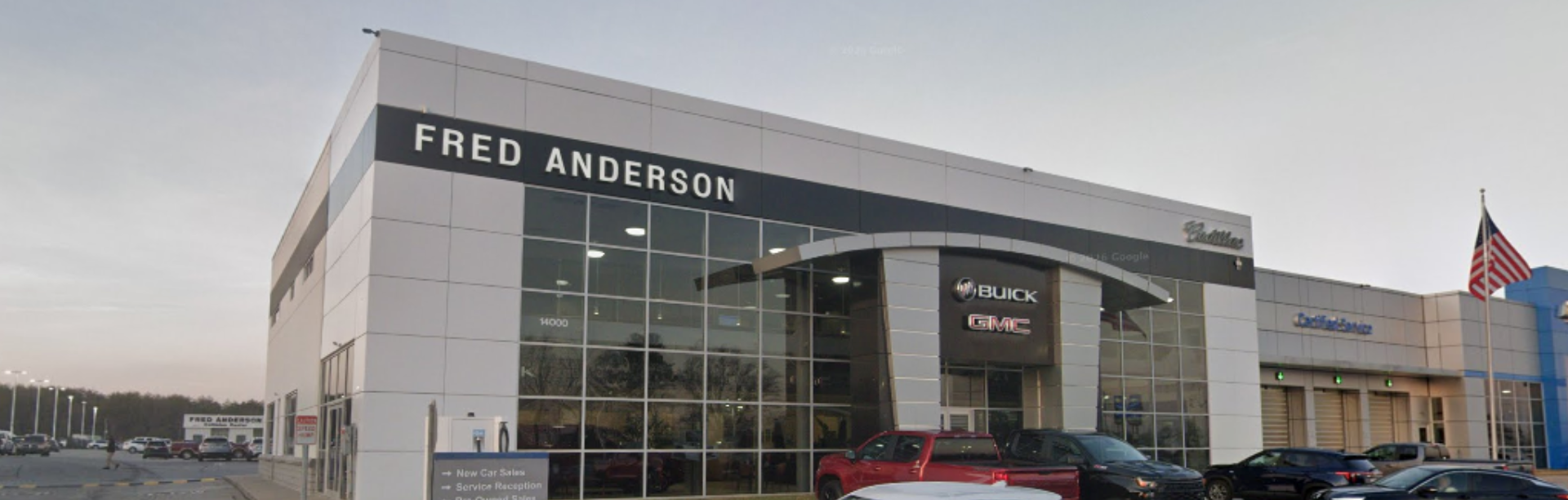
About Fred Anderson Cadillac
Fred Anderson Cadillac is the premier luxury destination for drivers in Greer, Greenville, and Spartanburg, providing an elevated automotive experience backed by nearly 70 years of family-owned excellence. As a proud member of the Anderson Automotive Group-a third-generation legacy founded in 1955-we leverage decades of expertise and a "Driven to Lead" philosophy to ensure every guest receives world-class service. Our commitment to quality is reinforced by prestigious accolades, including the 2023 DealerRater Consumer Satisfaction Award, which highlights our dedication to transparency and superior customer care. We believe in strengthening the community we call home through our "Drive for a Difference" campaign, contributing thousands of dollars monthly to local charities like Greer Relief and supporting vital initiatives such as the Meyer Center and local youth education programs. Whether you are exploring our award-winning lineup of luxury vehicles or visiting our state-of-the-art service center, you are partnering with a team that values long-term relationships and community impact above all else.Related Articles:
The Ultimate Guide to Finding the Best Cadillac Dealer in Greer, SC